
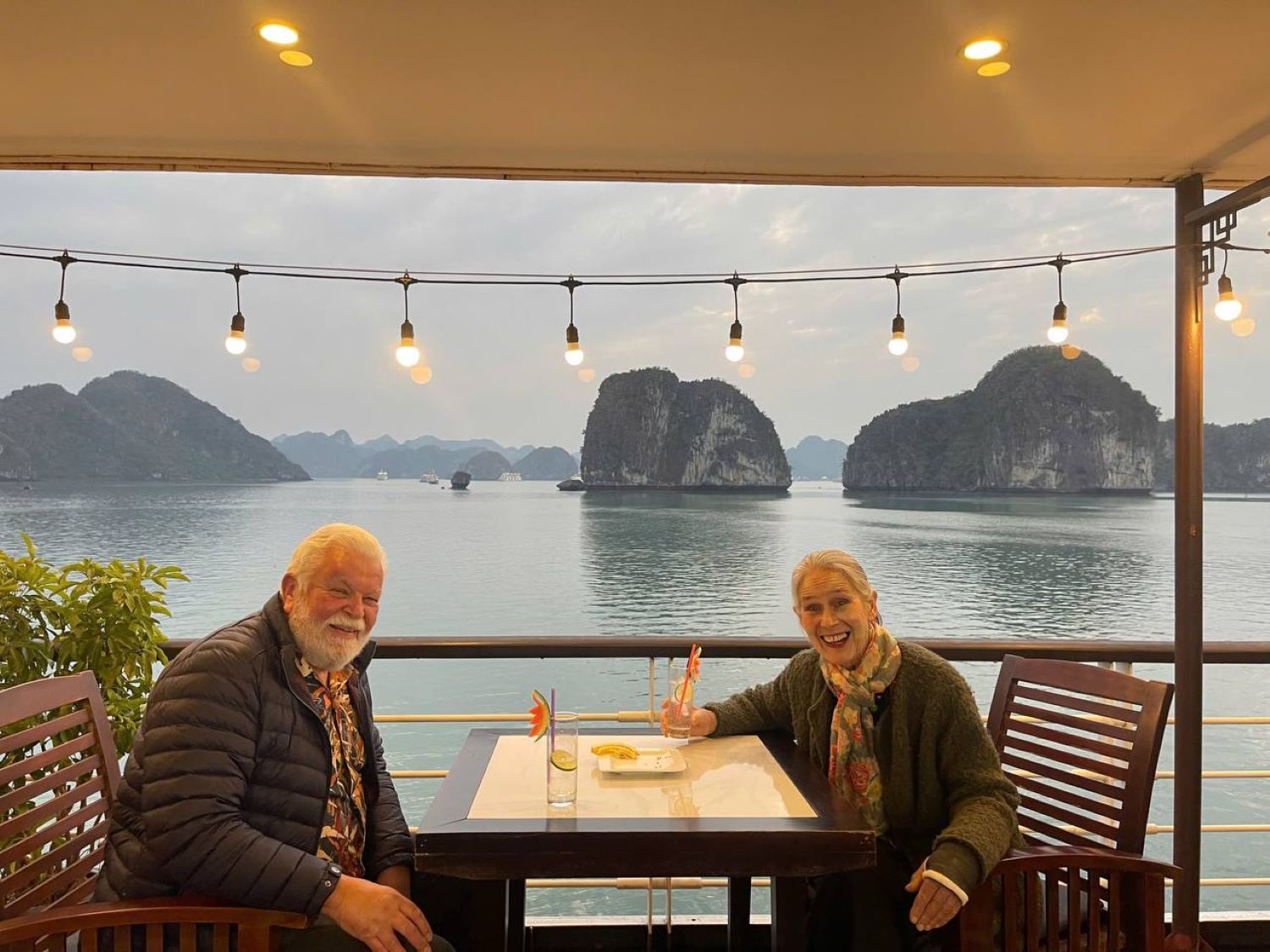
Halong Bay is one of the most photographed places in Southeast Asia — and one of the most misunderstood. Every year, millions of travelers arrive in Quang Ninh dreaming of quiet limestone karsts, glassy emerald water, and a peaceful overnight cruise. Many of them leave with that dream fulfilled. But a good number of others end up on an overcrowded boat, paying triple the going rate for a beer, or discovering — halfway through a "5-star luxury cruise" — that the cabin looks nothing like the photos they booked from.
None of this is inevitable. Halong Bay isn't dangerous, and it isn't a scam by design. It's simply a destination where the gap between a well-planned trip and a poorly-planned one is enormous, and where a small industry of resellers, fake agents, and corner-cutting operators has grown up around genuine traveler demand. Knowing where the traps are — and how to sidestep them — is really all it takes to have the trip you actually pictured.
Below is a practical, no-nonsense guide, built from years of watching what goes right and what goes wrong for visitors to this UNESCO World Heritage Site.
1. Understand Why Tourist Traps Exist Here in the First Place
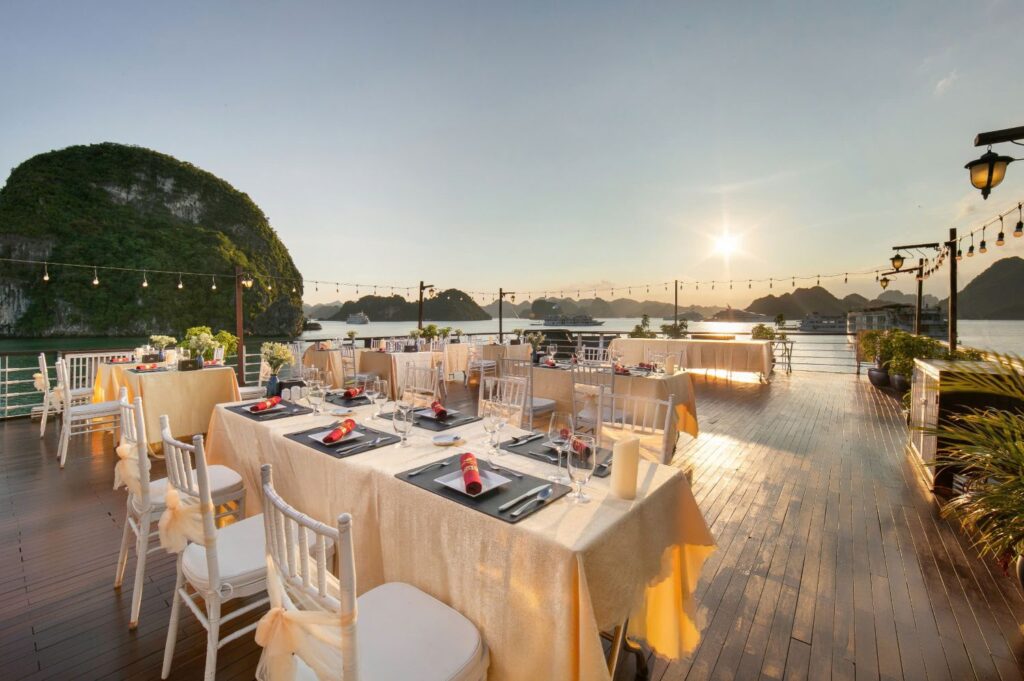
Halong Bay's tourism ecosystem is unusual. There are genuinely hundreds of cruise operators sailing out of Tuan Chau, Ha Long International Cruise Port, and the surrounding marinas, ranging from ageing wooden boats with peeling paint to genuinely world-class vessels with butler service. Because so many boats look similar in photos, and because so much booking now happens through resellers, social media pages, and OTAs rather than direct contact with the boat owner, there's a lot of room for mismatched expectations — and for outright misrepresentation.
The core issue is almost always the same: a booking made through an unverified middleman, at a price that seemed too good to pass up, with no way to confirm exactly which boat, cabin, and itinerary you were actually paying for. Everything else — the overpriced drinks, the "sold out" excursions, the surprise fees — tends to follow from that first mistake.
2. Book Your Cruise Directly, or Through a Verified, Licensed Agent
This is the single biggest lever you have. A huge share of Halong Bay complaints trace back to bookings made through Facebook pages, unlicensed street agents in Hanoi's Old Quarter, or resale platforms that don't clearly state which company actually operates the boat.
What to check before you pay a deposit:
- A real business license and physical office. Legitimate operators and agencies are registered with Vietnamese tourism authorities and can show you a business registration number.
- The actual name of the boat. Ask directly: "Which specific vessel will I be on?" If the agent hedges, changes the subject, or says "one of our boats," that's a red flag. Reputable operators name the vessel at time of booking.
- Consistency across channels. Cross-check the boat's name and photos on its official website, its social media page, and independent review platforms like TripAdvisor. If the images used to sell you the trip don't match what a boat's own verified page shows, be suspicious.
- A written confirmation. Get your itinerary, cabin type, inclusions, and total price in writing — email, not just a chat message — before you pay anything.
If you're arranging this through a licensed travel consultancy rather than booking a boat directly yourself, ask your consultant for the operator's license details and recent guest reviews. A good local agency will produce these instantly, without hesitation.
3. Be Skeptical of Prices That Seem Too Low
Halong Bay cruises have real, fairly transparent operating costs: fuel, crew salaries, food, mooring and park fees, insurance, and maintenance on a fleet of aging wooden vessels. When you see a 2-day, 1-night cruise advertised at a price that undercuts every competitor by 40–50%, that discount has to come from somewhere — and it usually comes from:
- A smaller, older, or poorly-maintained boat than advertised
- A shared cabin or a downgrade at check-in ("unfortunately your cabin is unavailable, but we have this one instead")
- Excursions quietly dropped from the itinerary — kayaking, cave visits, or cooking classes "cancelled due to weather" with suspicious regularity
- Aggressive on-board upselling to make up the margin
This doesn't mean the cheapest option is always a scam, or that the most expensive boat is always honest. It means that when a price looks unusually good, you should ask more questions, not fewer. Compare it against three or four other operators offering a similar itinerary and boat class, and treat any offer that undercuts the pack by a wide margin as something to investigate before booking.
4. Read the Itinerary Like a Contract, Not a Brochure
Marketing photos show golden light on limestone cliffs. They rarely show you the actual schedule. Before booking, get a full, timed itinerary and check for these common traps:
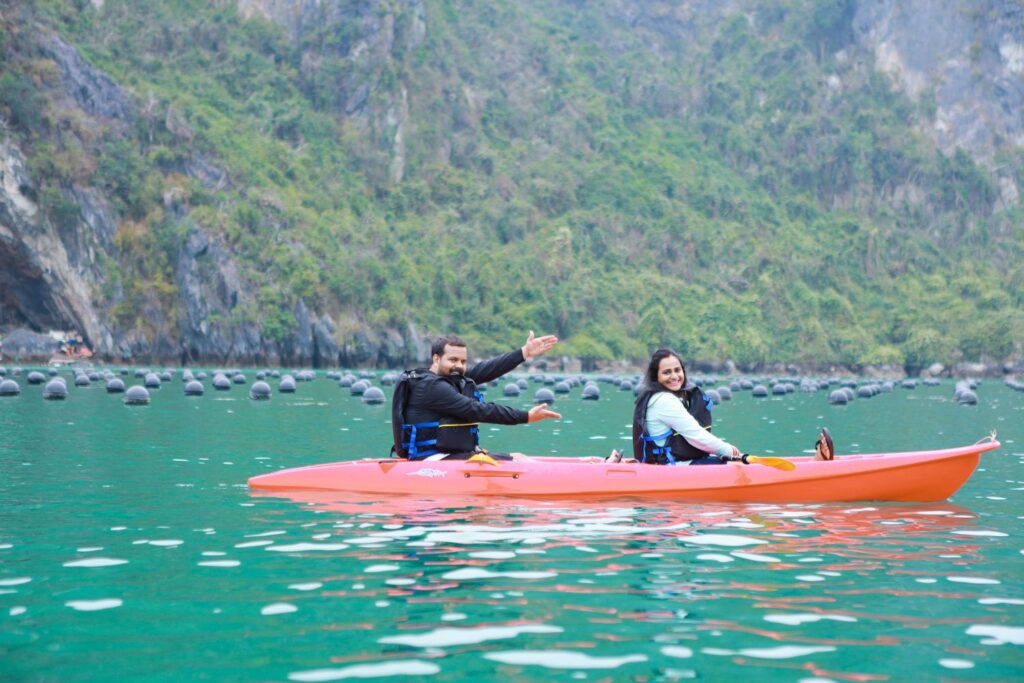
- Vague activity descriptions. "Kayaking" without a time or duration might mean 15 rushed minutes rather than the leisurely paddle shown in the brochure photo.
- Overlapping or unrealistic timing. If the itinerary crams a cave visit, swimming stop, cooking class, and sunset viewing into an implausibly short window, something will be cut once you're on board — and it won't be your decision which.
- "Subject to change" clauses with no compensation attached. Weather changes are real and sometimes unavoidable in Halong Bay, especially kayaking and swimming stops. But ask what happens if an activity is cancelled — do you receive any adjustment, or does the operator simply keep the full price?
- Meals not matching the class of cruise. A "luxury" cruise should have a proper multi-course seafood dinner, not a buffet identical to the budget boats docked next to it.

5. Watch for the Classic On-Water Upsell Traps
Even on legitimate cruises, some revenue is generated through on-board upselling. It's not inherently dishonest, but it catches travelers off guard when they haven't been warned in advance.
- Drinks and minibar pricing. Ask for the drinks menu with prices before you order anything, every time. Prices for beer, wine, and soft drinks can be two to three times what you'd pay on land, and unlike land-based restaurants, there's nowhere else to go once you're on the water.
- "Optional" extra excursions sold as add-ons. Some cruises advertise a base itinerary and then present cave visits, floating village tours, or squid fishing as paid extras once you're already on board, when these were shown as included in the original marketing.
- Photography and souvenir pressure. On some boats, crew members will take photos of guests throughout the trip and then present a printed photo package for purchase at the end — often with social pressure to buy given the memory of the moment.
- Spa and massage services with unclear pricing. Confirm the exact price per treatment before booking a massage on board — “relaxing” treatments are a common spot for last-minute price surprises.
None of these are reasons to avoid a cruise altogether. They're reasons to ask "is this included, and if not, what does it cost?" before you say yes to anything.
6. Choose the Right Part of the Bay — Not Just the Right Boat
One under-discussed tourist trap in Halong Bay isn't a scam at all — it's simply overcrowding. The most heavily marketed routes near Tuan Chau and Sung Sot Cave can feel like a floating traffic jam in peak season, with dozens of boats converging on the same karst formations and cave entrances at the same hour.
Travelers who specifically ask their operator to route through Lan Ha Bay, further south and administered separately from the main Halong Bay tourist zone, often report calmer water, fewer boats, and the same dramatic limestone scenery without the crowds. Bai Tu Long Bay, to the northeast, offers a similar advantage for travelers willing to venture slightly further. If a "peaceful, secluded" cruise is important to you, say so explicitly when booking, and ask which bay and which specific route the boat actually takes — not just which company operates it.
7. Confirm What "All-Inclusive" Actually Includes
"All-inclusive" is one of the most stretched phrases in Halong Bay marketing. Before you book, get written confirmation of exactly what's covered:
- Transfer from Hanoi (and return) — is this a shared shuttle or private car, and how many stops does it make picking up other guests?
- All meals, including drinks with meals (water and tea are often included; soft drinks and alcohol usually aren't)
- Which specific excursions (cave, kayaking, village visit, cooking class) and for how long
- National park and environmental fees — these are sometimes billed separately at the port
- Government taxes and service charges
A transparent operator will happily itemize this. One that answers vaguely, or insists "everything is included, don't worry," is one to book with extra caution — or not at all.
8. Vet the Land-Based Extras Too
Tourist traps in Halong Bay aren't limited to the water. The town of Ha Long itself, and the transfer route from Hanoi, has its own set of pressure points:
- Roadside "rest stops" on the Hanoi–Halong transfer. Some tour vans stop at large gift shops that pay commission to drivers for bringing in customers. Prices here are typically inflated well above what you'd pay in an ordinary shop, and the pressure to buy can be intense. It's fine to look, but treat prices as a starting point for negotiation, not a fixed cost.
- Unofficial "ticket sellers" at the port. At Tuan Chau and other departure points, only buy tickets or pay balances through your booked operator or a clearly marked, official ticket counter — never through someone approaching you informally on the dock.
- Souvenir and pearl shops. Ha Long has several shops marketed as "pearl farms" or "local cooperatives" that are, in practice, tourist-oriented retail operations with prices well above market rate. Genuine cultured pearl farms exist and can be visited, but treat any high-pressure sales pitch — regardless of the setting — as a signal to slow down, compare, and negotiate.
9. Use Reviews Correctly — Don't Just Trust the Star Rating
Star ratings on booking platforms can be manipulated, and a boat with a 4.7 average can still disappoint you if you don't read the substance of the reviews. When researching an operator:
- Sort reviews by "most recent," not "most relevant" — ownership, management, and service quality can change quickly, and a boat that was excellent two years ago may not be today.
- Look specifically for repeated complaints about the same issue — a single bad review might be an outlier, but three separate reviewers mentioning "cabin didn't match photos" is a pattern.
- Cross-check reviews across at least two platforms (TripAdvisor and Google, for example) rather than relying on testimonials curated on the operator's own website.
- Pay attention to how the operator responds to negative reviews. A professional, solution-oriented response is reassuring; defensiveness or a pattern of ignoring complaints is not.

10. Know Your Rights — and Keep a Paper Trail
If something does go wrong — a downgraded cabin, a cancelled excursion with no adjustment, a dispute over pricing — your position is far stronger if you have documentation.
- Keep your written booking confirmation, itinerary, and payment receipt, ideally in email form rather than only a messaging app conversation.
- Take photos of your cabin, the boat, and any discrepancy from what was promised, as soon as you notice it, and raise the issue with staff on board immediately rather than waiting until after the trip.
- If a resolution isn't offered on board, the Bai Chay Tourist Information Center and Port Authority can assist with complaints related to licensed operators sailing from Halong.
- When booking through a travel agency rather than directly, ask what their dispute-resolution process is before you travel, not after something goes wrong.
The Bottom Line
Halong Bay earns its reputation — thousands of limestone islands rising out of turquoise water is not something marketing can oversell. The traps that catch travelers out are almost never about the destination itself; they're about the booking process, the layer of resellers and middlemen between the traveler and the boat, and the gap between a glossy brochure photo and a written, verifiable itinerary.
The fix, in nearly every case, is the same: book with a verified, licensed operator or agency, get everything in writing, ask specific questions about inclusions and pricing before you pay, and treat unusually cheap offers as something to investigate rather than celebrate. Do that, and Halong Bay will look exactly like the photos that convinced you to come.
Planning a trip to Halong Bay? Our team works directly with licensed, vetted cruise operators across Halong, Lan Ha, and Bai Tu Long Bay, and we're happy to walk you through exactly what's included in any itinerary before you book. Get in touch and we'll help you find the right boat for the trip you actually want.