
When most people think of Halong Bay, they picture emerald waters, limestone cliffs, and luxury cruises. But beyond its stunning natural scenery lies a rich and vibrant cultural world — one shaped by generations of fishermen, coastal communities, and ancient traditions that continue to thrive today.
Exploring Halong Bay is not just about sightseeing; it’s about connecting with the people and stories that make this UNESCO World Heritage site truly come alive.
Here’s a guide to Halong Bay’s fascinating festivals, traditions, and local crafts — cultural treasures that offer a deeper look into Vietnam’s coastal soul.
1. The Spirit of the Sea: Halong’s Fishermen Communities
For centuries, life in Halong Bay has revolved around the sea. The floating villages — like Cua Van, Vung Vieng, and Ba Hang — are living museums of maritime culture.
Here, families have built entire lives on the water: fishing, raising seafood, and passing down their knowledge from one generation to the next.
Visitors can:
- Take a bamboo boat ride or kayak through the villages
- Visit a floating school or fish farm
- Learn traditional fishing techniques from local families
You’ll see a community deeply connected to nature, where every tide and wave dictates the rhythm of life.
Best experience: Stay on an overnight cruise that includes a visit to a floating village for an authentic cultural encounter.
2. Traditional Festivals – The Soul of Coastal Life
Quang Ninh province — home to Halong Bay — celebrates many colorful festivals that honor the sea, local heroes, and spiritual beliefs.
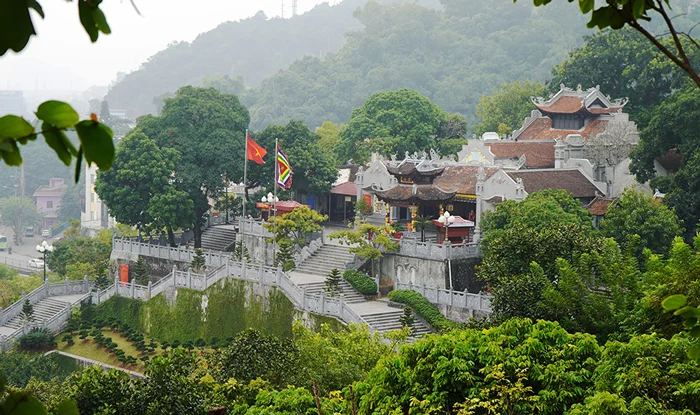
Cua Ong Temple Festival
- When: February–March (Lunar Calendar)
- Where: Cam Pha City, about 30 km from Halong
Dedicated to Tran Quoc Tang, a general who protected Vietnam’s eastern seas, this festival features boat parades, traditional music, and offerings to the sea gods. It’s one of the largest spring festivals in the region.
Yen Tu Festival
- When: January–April (Lunar Calendar)
- Where: Yen Tu Mountain, Uong Bi City
A pilgrimage to the sacred Yen Tu Pagoda complex, known as the “cradle of Vietnamese Buddhism.” Visitors hike up the mountain, passing temples and ancient stupas while joining monks and locals in prayer.
Ha Long Carnival
- When: Late April or early May
- Where: Bai Chay, Halong City
A lively celebration of culture, dance, and music that transforms Halong’s waterfront into a grand stage. Expect colorful floats, traditional performances, fireworks, and thousands of participants from across the province.
Tip: If you’re visiting in spring, time your trip to coincide with one of these festivals for a truly unforgettable experience.
3. Folk Traditions and Local Customs
Halong’s communities preserve many folk customs that reflect respect for the sea and the spirits believed to guard it.
- Whale Worship Ceremony (Lễ Cầu Ngư): Fishermen pray for calm seas and abundant catches. Offerings of fruits, incense, and symbolic “whale effigies” are made to the sea gods.
- Boat Blessing Rituals: Before launching a new fishing boat, families hold ceremonies to ensure safety and prosperity.
- Ancestor Worship: Every home and boat has a small altar to honor ancestors, a practice rooted deeply in Vietnamese spirituality.
Visitors who join local tours or stay in homestays around Van Don or Quan Lan can often witness these meaningful traditions firsthand.
4. Local Crafts: From the Sea to Souvenirs
Halong Bay’s surrounding areas are also rich in handicraft traditions, where locals transform natural materials into art.
- Pearl Farming: Halong’s calm waters are ideal for cultivating pearls. You can visit Tung Sau Pearl Farm to see how oysters are nurtured and how pearls are harvested and polished into jewelry.
- Bamboo and Rattan Weaving: In villages near Yen Duc and Cam Pha, artisans weave baskets, bags, and mats used both in daily life and for export.
- Sea Shell and Coral Crafts: Local markets sell decorative items crafted from seashells — a unique keepsake from the bay.
Tip: When buying souvenirs, choose handmade items from local cooperatives to support sustainable tourism and traditional livelihoods.
5. The Flavors of Tradition: Halong’s Culinary Heritage
No cultural journey is complete without tasting the local food. Halong Bay’s cuisine reflects its connection to the sea, blending freshness and simplicity.
- Grilled Squid Cakes (Chả mực Hạ Long): Famous for their chewy texture and rich flavor, best enjoyed with sticky rice or bread.
- Horseshoe Crab (Sam biển): A specialty dish cooked in various styles — fried, grilled, or made into salads.
- Oysters, Clams, and Prawns: Often grilled on the spot at Halong night markets or served in seaside restaurants.
For an immersive experience, join a cooking class on a cruise or a local market tour with a Halong chef.
6. Where to Experience Halong’s Living Culture
To truly connect with Halong’s cultural side, go beyond the popular cruise routes and explore these destinations:
- Cua Van Floating Village: Meet local fishermen and visit the small community museum.
- Yen Duc Village: Near Halong, this cultural village offers folk singing shows, rice farming experiences, and water puppet performances.
- Quang Ninh Museum: A modern museum in Halong City showcasing local history, marine ecology, and culture.
These experiences turn your trip into more than just sightseeing — they make it a journey of understanding.
Halong Bay’s beauty goes far beyond its landscapes. It’s a place where nature and culture intertwine, where ancient beliefs meet modern life, and where every smile tells a story.
Whether you join a local festival, learn pearl farming, or share a meal with fishermen on a floating village, you’ll leave with more than photos — you’ll carry the spirit of Halong itself.